Why Hair Loss Affects Our Identity So Much
Hair loss is not just an aesthetic issue. For many people, hair is closely tied to identity, how they present themselves to the world, and the confidence with which they face daily life. When hair begins to fall out visibly or persistently, it is common to experience feelings of insecurity, frustration, and even anxiety.
Throughout life, hair accompanies phases, changes, and achievements. It marks youth, vitality, personal style, and, in many cases, even professional status. Therefore, when something seemingly simple like hair loss occurs, the impact goes far beyond the mirror. Understanding what is happening is the first step to dealing with the problem consciously, informedly, and effectively.
This article is designed to clarify, without alarmism or easy promises, what is behind hair loss, the signs to watch out for, and how proper guidance can make a difference.
The Natural Hair Cycle: What Is Normal and What Is Not
Before discussing problems, it is essential to understand how the hair life cycle works. Each strand goes through three distinct phases: growth, transition, and shedding. This process is continuous and natural. On average, an adult can lose between 50 to 100 hairs per day without it indicating any anomaly.
The scalp has thousands of active hair follicles, and while some hairs fall out, others are growing. Concern arises when the loss becomes more intense, prolonged, or visibly localized, resulting in progressive thinning, bald spots, or overall loss of density.
Recognizing the difference between normal hair renewal and abnormal hair loss is crucial for timely action.
Hair Loss in Men and Women: Real Differences, Distinct Impacts
Although often primarily associated with men, hair loss affects both sexes, albeit in different ways. The causes, pattern of loss, and emotional impact vary significantly.
Hair Loss in Men
In men, the most common form of hair loss is androgenetic alopecia. It is a progressive process, influenced by genetic and hormonal factors, where follicles gradually shrink until they stop producing visible strands. It usually manifests as receding hairlines, thinning at the top of the head, or progressive thinning.
This type of loss tends to occur gradually and predictably, which does not mean it is emotionally easy to accept. Many men feel that the image they see in the mirror no longer matches how they feel internally.
There are also other types of loss, such as alopecia areata, which manifests in localized areas and may be associated with autoimmune factors or periods of intense stress.
Hair Loss in Women
In women, hair loss often presents as diffuse, with a global loss of density rather than well-defined areas. The causes are more varied and often cumulative.
Hormonal changes, such as pregnancy, postpartum, menopause, or thyroid issues, are common factors. Added to this are chronic stress, nutritional deficiencies, restrictive diets, aggressive chemical treatments, and environmental factors.
For many women, the psychological impact of hair loss is particularly profound. Hair is strongly associated with femininity and personal expression, and its loss can significantly affect self-esteem.
Main Causes of Hair Loss
Hair loss rarely has a single isolated cause. In most cases, it results from a combination of several factors that accumulate over time.
Genetic and Hormonal Factors
Genetic predisposition plays an important role, especially in androgenetic alopecia. However, hormonal factors can trigger or worsen the situation, even in people without a relevant family history.
Physical and Emotional Stress
Situations of intense stress, prolonged anxiety, or traumatic events can cause temporary hair loss, known as telogen effluvium. In these cases, many hairs simultaneously enter the shedding phase, resulting in sudden and visible loss.
Diet and Nutritional Deficiencies
Hair is sensitive to the lack of essential nutrients such as iron, zinc, proteins, and B vitamins. Unbalanced or very restrictive diets quickly reflect on hair health.
External Aggressions and Poor Hair Habits
Excessive use of heat tools, frequent coloring, chemical straightening, overly tight hairstyles, and inappropriate products can weaken the hair and scalp, contributing to hair loss.
Medical Conditions and Medication
Some diseases, surgical interventions, anesthesia, or certain medications can have hair loss as a side effect. In these cases, medical evaluation is essential.
Warning Signs That Should Not Be Ignored
Not all hair loss requires immediate intervention, but there are signs that deserve attention:
- Persistent loss over several months
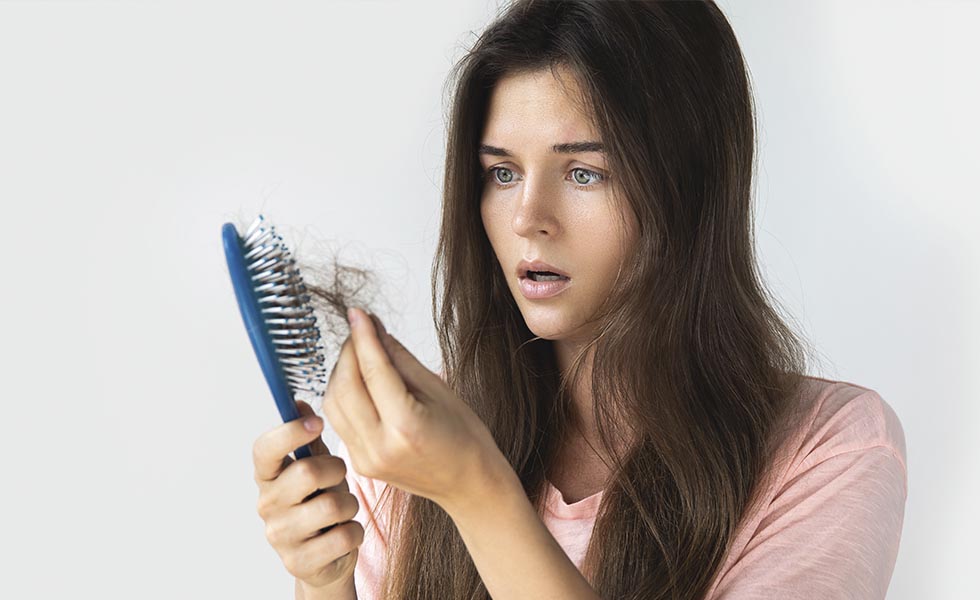
- Visible increase in hair in the shower or on the pillow
- Progressive hair thinning
- Localized bald spots or areas with less density
- Changes in hair texture, becoming more fragile or brittle
Ignoring these signs can compromise the results of any future approach.
Hair Loss Treatment: Why There Is No Universal Solution
When it comes to hair loss treatment, it is important to dismiss the idea of miracle solutions. Each case is unique and should be evaluated individually.
Effective treatment always begins with identifying the cause. Without this step, any intervention will be limited or merely cosmetic.
Medical and Dermatological Approach
In cases of hormonal, genetic, or clinical origin, consultation with a dermatologist is essential. In some cases, oral or topical medication may be indicated, always under specialized supervision.
Professional Hair Care as a Complement
Outside the exclusively medical scope, professional hair and scalp care plays a crucial role. A well-structured hair plan can significantly improve the scalp environment, stimulate follicles, and reduce the progression of hair loss.
Here, the choice of professional makes all the difference. An experienced hairdresser does not just perform aesthetic services. They observe, evaluate, advise, and adapt each care to the reality of the person in front of them.
The Role of the Scalp in Hair Health
Many people focus only on the hair strand, forgetting that everything starts at the scalp. An unbalanced scalp, with excess oil, dandruff, or accumulated residues, creates an unfavorable environment for healthy growth.
Proper cleaning, sebum control, and skin oxygenation are fundamental steps in any strategy for preventing or treating hair loss. Small adjustments in routine can have a real impact in the medium term.
Daily Habits That Help Prevent or Minimize Hair Loss
Although not all causes are under control, there are habits that contribute to stronger and more resilient hair:
- Balanced and varied diet
- Adequate hydration
- Regular and restorative sleep
- Stress reduction whenever possible
- Avoiding smoking and excessive alcohol consumption
- Moderation in the use of heat and chemicals
- Choosing products suitable for hair type
These practices do not replace treatments when necessary, but they create a solid foundation for hair health.
The Importance of Trusting Qualified Professionals
Faced with hair loss, it is natural to seek quick answers. However, self-medication, homemade recipes, or products without criteria can worsen the problem.
Working with experienced professionals who understand hair in its real context allows for informed and safe decisions. Consistent follow-up, combined with realistic expectations, tends to produce more lasting results.
If you are looking for a reference service, you can also explore what distinguishes the best family hairdresser when it comes to personalized care and long-term follow-up.
Hair Loss and Self-Esteem: A Journey Built Over Time
Regaining confidence does not happen overnight. Dealing with hair loss involves patience, information, and conscious choices. More than hiding the problem, it is important to understand it and act appropriately.
Hair can once again be a source of well-being when treated with respect, knowledge, and the right guidance. And even when the solution involves accepting changes, doing so with professional support makes all the difference.
Location Also Matters in Hair Care
Regular access to qualified professionals facilitates continuity of care. For those who live or work in the region, it makes sense to consider a hairdresser in Vale do Lobo and Quinta do Lago that allows for close and personalized follow-up without compromising quality.
Frequently Asked Questions (FAQ)
Is It Normal to Lose Hair Every Day?
Yes, the daily loss of some strands is part of the natural hair cycle and does not indicate a problem by itself.
When Should I Be Concerned About Hair Loss?
When the loss is intense, prolonged, or accompanied by visible thinning, it is advisable to seek professional evaluation.
Is Hair Loss Always Genetic?
No. Although genetics is an important factor, stress, diet, hormones, and hair habits also influence.
Can Stress Cause Hair Loss?
Yes, periods of intense stress can trigger significant temporary loss.
Is Hair Loss Different in Women Than in Men?
Yes, both in terms of causes, pattern of loss, and emotional impact.
Are There Products That Solve Hair Loss Alone?
There is no universal product. Hair loss treatment should be tailored to the identified cause.
Does Cutting Hair Frequently Reduce Hair Loss?
Cutting hair does not directly affect loss, but it can improve appearance and the feeling of volume.
Does Diet Influence Hair Health?
Yes, nutritional deficiencies quickly reflect on the quality and resilience of hair.
Can I Treat Hair Loss Only With Salon Care?
It depends on the cause. In many cases, professional care complements but does not replace medical evaluation.
Is There a Definitive Solution for Hair Loss?
Some types of loss are reversible, others controllable. The most important thing is to act early and with proper guidance.